
Understanding the renovation process in New Zealand: what most homeowners underestimate
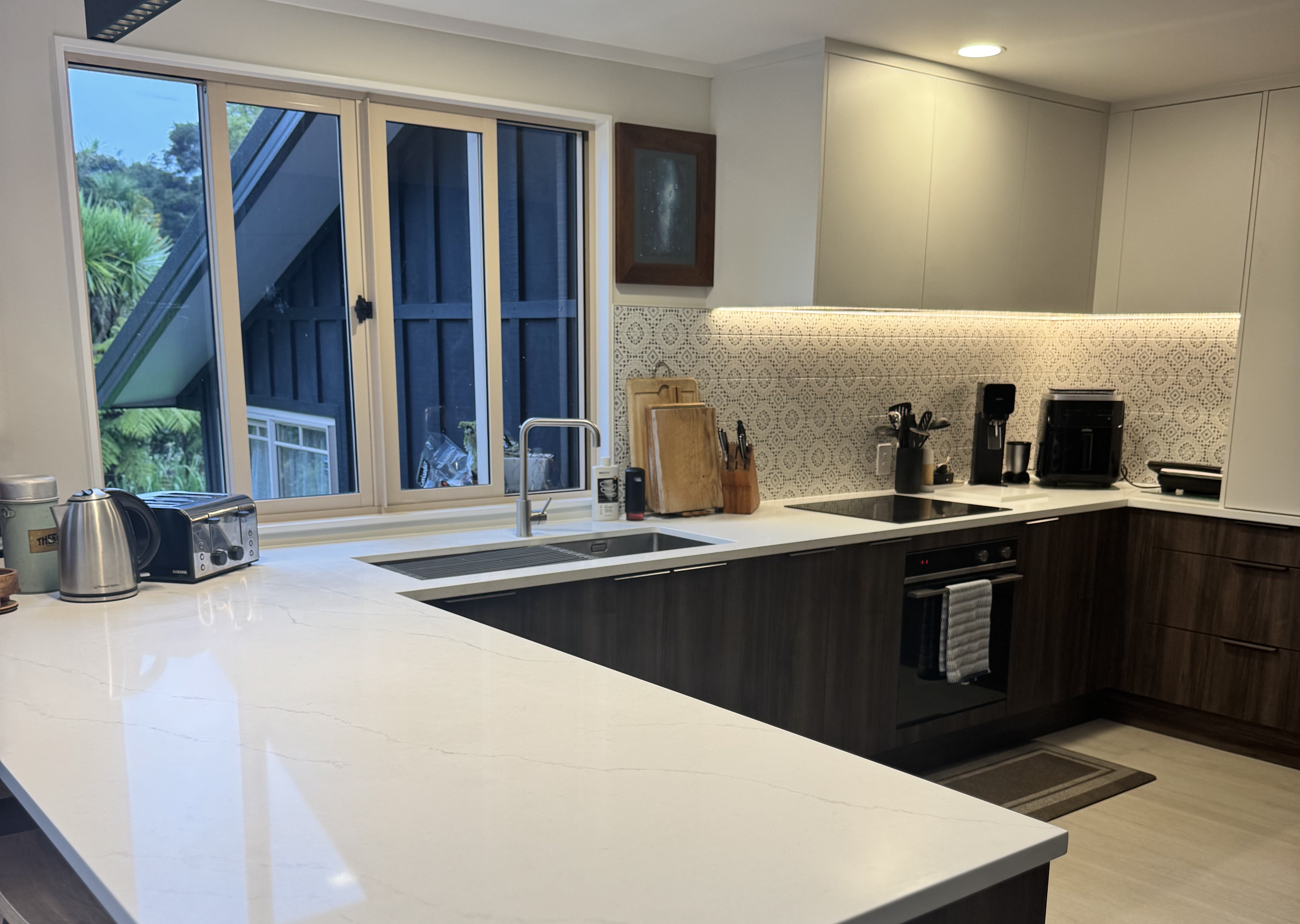

A renovation isn’t just “doing the build”.
It’s design, budgeting, council consent (sometimes), insurance, health and safety, time management, and the emotional impact of living through it.
Many homeowners underestimate cost, time, and disruption.
After years helping our clients renovate their homes, we’ve found the smoother renovations are the ones where people understand the full process before they start.
If you’ve ever looked around your home and thought, we just need more space… or this kitchen has to go… you’re in good company.
Most of our clients come to us wanting a better living environment. More room. A layout that works. A home that fits their life now and in the future.
What they don’t always see at the beginning is how many layers sit behind a successful renovation.
Let’s break it down properly.
Renovation is a process, not just a build
If you think renovation starts when the tools arrive, you’ll underestimate both time and cost.
Before a single wall is opened up, there’s usually:
- Initial conversations and feasibility
- Rough budgeting
- Design and layout planning
- Engineering input if required
- Council consent (for some projects)
- Detailed pricing
- Contracts and insurance
- Scheduling trades
- Health and safety planning
The build phase is just one part of the journey. When people don’t realise that, they feel blindsided halfway through.
Consented vs non-consented renovations in New Zealand
Whether your renovation needs council consent changes everything.
Non-consented work
Smaller internal changes sometimes don’t require consent. But they still need to meet building code standards. “No consent” doesn’t mean “no rules”.
Consented work
If you’re removing structural walls, adding rooms, changing plumbing layouts significantly, altering drainage, or touching load-bearing elements, you’re likely in consent territory.
Consented projects usually involve:
- Architectural drawings
- Engineering input
- Detailed documentation
- Council submission
- Possible requests for further information
- Inspections during the build
- Final Code Compliance Certificate
There are more layers, more professionals, and longer timeframes.
That’s not a bad thing. It just means you need to factor it in early.
Should I use an architect first or builder first for my renovation?
This question can either save you money or cost you money.
Architect first
If your project is structural or complex, you’ll likely need design work early. An architect or designer helps shape your vision and produce drawings for consent.
Builder first
Talking to a renovation builder early can help you reality check your ideas against budget and feasibility before you go too far down the design path.
In our experience, the best outcomes come from collaboration. Design and build informing each other, not working in isolation.
If you design something that doesn’t match your budget, you’ll only find out later. That’s where frustration creeps in.
We can put you in touch with some great designers. Just get in touch.
Renovation budgets and timeframes are almost always underestimated
This is where stress tends to peak.
Common cost surprises include:
- Upgraded material choices once you see real options
- Variations during the build
- Temporary accommodation
- Storage
- Unexpected discoveries behind walls
- Council processing delays
Timeframes are also misunderstood. A 12-week build might sit behind months of planning, pricing, and consent work.
From the outside, it can look like “nothing’s happening”. But a lot is happening behind the scenes.
When people don’t see the full timeline upfront, they start to feel anxious. Concerned about money. Wondering if it’s all on track.
In our experience, our clients are less stressed when they budget and plan for the entire journey, not just the visible part.
Living in your home during renovation: when does it stop being realistic?
This is the tipping point people rarely talk about.
Yes, some renovations are manageable while living onsite. But there are limits.
You may need to move out if:
- Your kitchen is completely removed for weeks
- There’s no functioning bathroom
- Major structural work affects safety
- Power or water is disconnected for extended periods
- Dust and noise become constant
Even if it’s technically possible to stay, the emotional strain can build up. Trades in your home daily. Noise. Dust. Loss of routine. Kids trying to sleep. Pets confused.
We’ve seen families start confident and then hit a wall halfway through.
Before you begin, ask yourself honestly:
Can we function here for months like this?
Our tip - protect your sanity as much as your budget.
Health and safety: your home becomes a worksite
Once renovation starts, your house isn’t just a home. It’s a construction site.
There are safety requirements around:
- Hazard identification
- Managing access
- Securing tools and materials
- Safe movement of trades
- Protecting occupants
If you’re living onsite, boundaries become critical. Work zones and living zones must be clearly separated.
Open cavities, exposed wiring, incomplete stairs, heavy machinery. These are real risks.
Health and safety isn’t red tape. It’s protection.
Renovation safety protects your family and the people working in your home.
Insurance during renovations: what most homeowners don’t realise
This is one of the biggest blind spots we see when doing home renovations.
Yes, we carry insurance for our work. But that doesn’t replace your responsibility as the homeowner.
Before renovation starts, you need to notify your insurer.
In many cases, you’ll need Contract Works insurance. This covers:
- The value of the renovation works
- Materials onsite
- Damage during construction from events like fire, theft, or storms
Your standard home insurance may not fully cover a property undergoing structural changes.
If something goes wrong mid-project and you’re not properly insured, the financial impact can be significant.
We recommend our clients to not assume their existing policy is enough. Check first.
The personal side of renovation that no one puts in the brochure
Renovation is emotional.
Clients often feel:
- Worried about cost
- Unsettled living in disruption
- Unsure about decisions
- Concerned about time blowouts
There can be moments where you think, why did we start this?
But on the other side, there’s relief. Pride. Satisfaction. A home that finally works for your family. Space where everyone fits. A lifestyle upgrade without having to move.
The difference between chaos and confidence usually comes down to clarity and communication.
When you know what’s happening, why it’s happening, and what’s next, the stress drops.
A clear system makes it manageable.
How to set yourself up for a smoother renovation
If you’re thinking about renovating in Auckland, Waikato, or the Bay of Plenty, here’s what we recommend:
- Confirm early whether consent is required
- Talk to both design and build professionals
- Build a realistic budget with contingency
- Understand the full timeline
- Check your insurance before work begins
- Decide honestly whether you can live onsite
The more informed you are at the beginning, the better the experience will feel all the way through.
MTP can assist with all your renovations both residential and commercial needs, along with all your property maintenance requirements.
Book a call https://www.renovations.nz/contact
Questions about home renovations
Do all renovations require council consent in New Zealand?
No. Minor internal changes may not require consent, but structural, plumbing, drainage, and extension work often does. Always confirm early to avoid delays or compliance issues.
How long does a renovation take from start to finish?
Planning and consent can take several months before construction begins. The build phase itself may run 8 to 16 weeks depending on complexity. Every project is different.
Should I move out during my renovation?
It depends on the scale of work. If key areas like your kitchen or bathroom are fully removed, or structural work is extensive, moving out may reduce stress and safety risks.
What is Contract Works insurance?
Contract Works insurance covers the renovation works and materials during construction. It protects against damage or loss while work is underway.
Can I rely on my builder’s insurance alone?
No. Builders carry their own insurance, but homeowners are typically responsible for insuring the property and the renovation works. Always check with your insurer before starting.
Renovate with Us
MTP Renovations is one of New Zealand’s leading renovation specialists. We have helped hundreds of satisfied clients; now it's your turn! Contact our team today to discuss your project and experience the best renovations in Auckland.
